


Guru & Lineage
The Living Source
Sat Manav Yoga Ashram began with a search—not for Yoga itself, but for the meaning and purpose of human life, and for a way to alleviate the suffering so prevalent in the world.
Śrī Bhagavān VaShi Baba and Śrī Mīrābāī Īśvarī are the
Gurus of Sat Manav Yoga Ashram.
For nearly four decades, their lives and work have shaped the Ashram from its beginnings into what it is today.
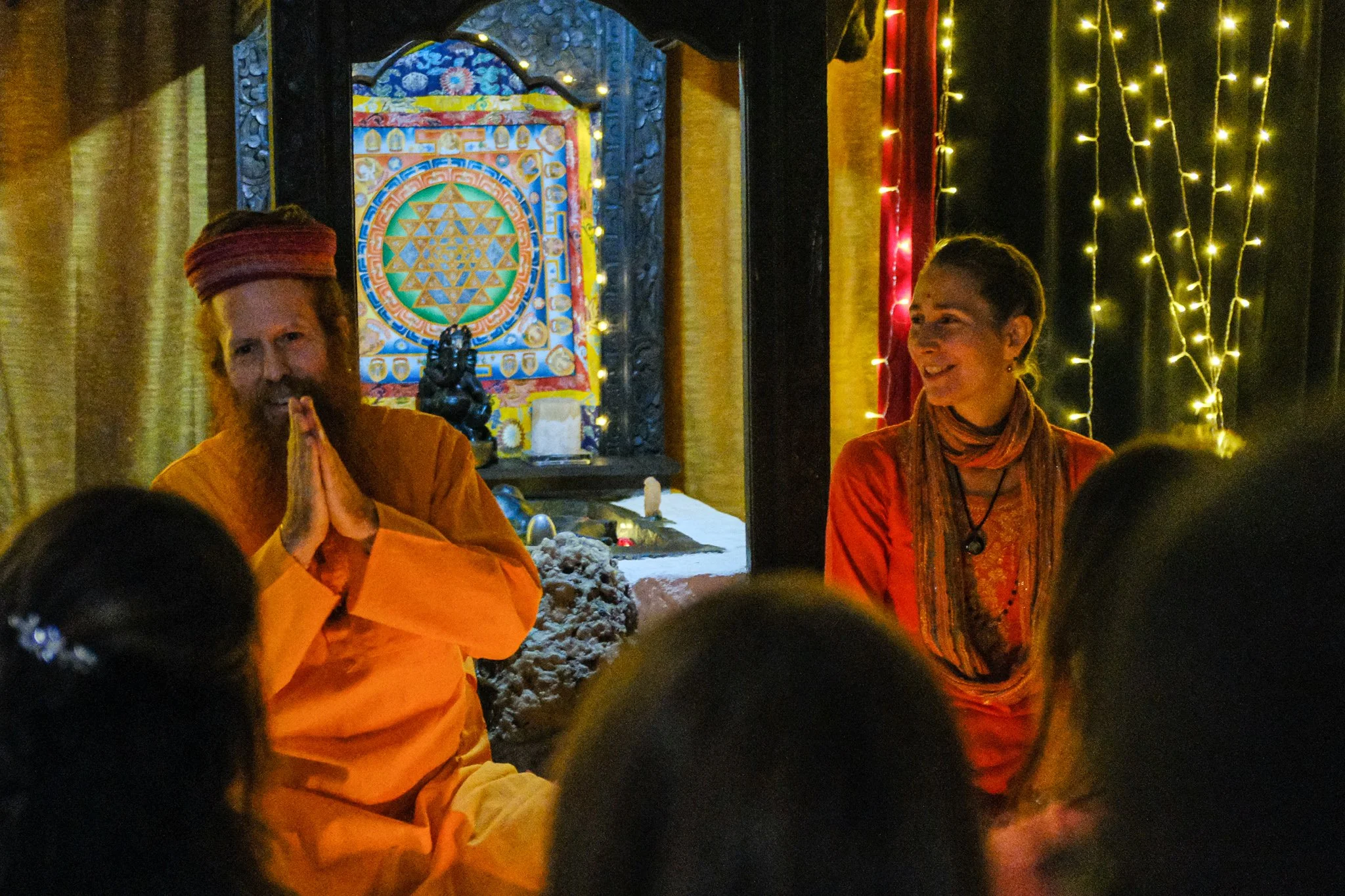
Śrī Bhagavān VaShi Baba
A Search That Became a Life
Sri Bhagavan’s path began with a relentless search for truth. In time, that search carried him to India, where he sought out Yogis who had given their lives to the same questions that had brought him there.
Over years of pilgrimage, he sought out and learned from Yogic masters whose lives had been given wholly to practice and realization:
Ramana Maharshi · Peramut Goswami · Swami Shantananda · Swami Hamsananda · Perumul Swami · Yogi Ramsuratkumar · Siddhanath · Sri Maha Yogi Bhusunda
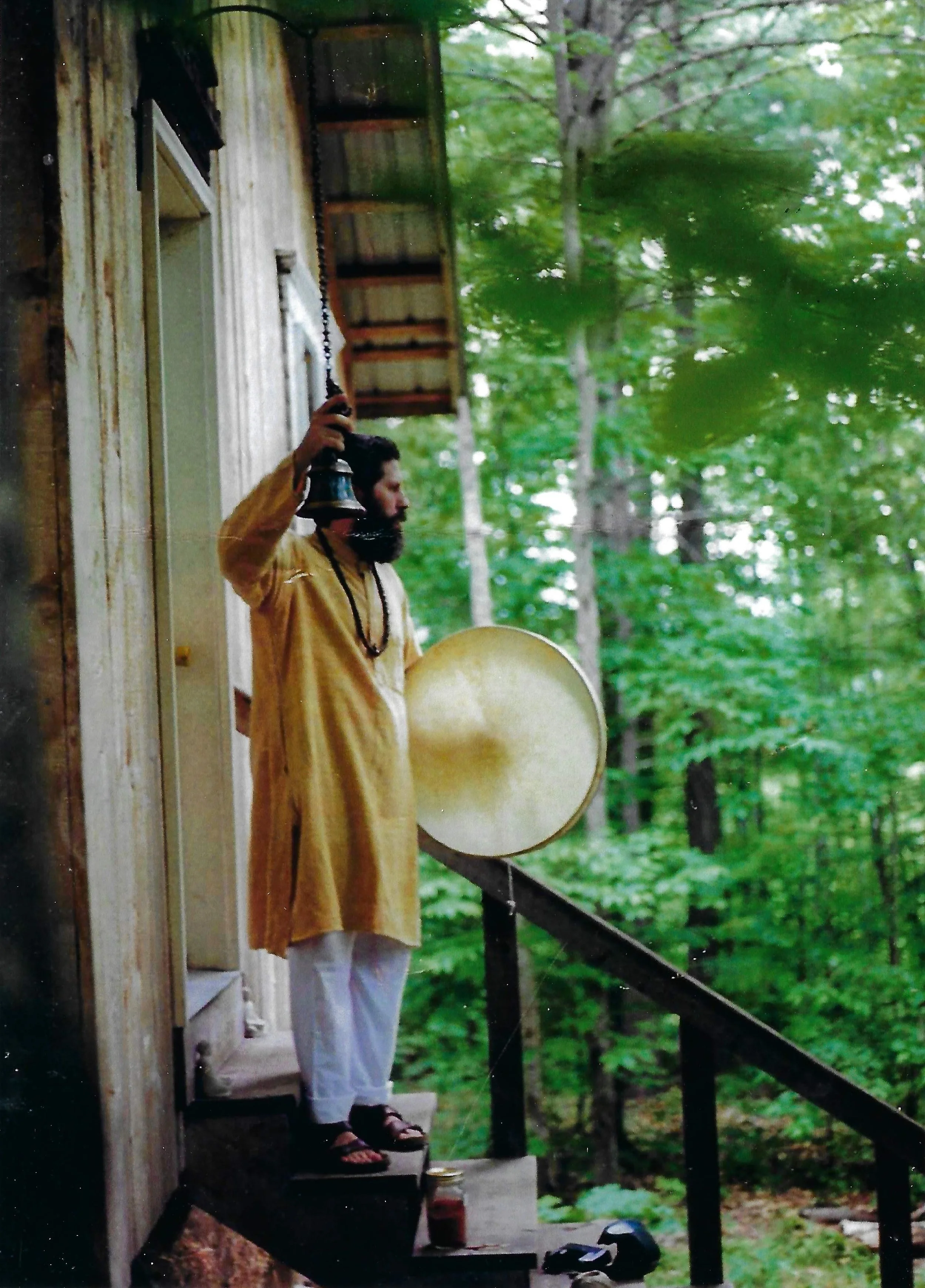
Śrī Bhagavān VaShi Baba ringing a bell at the Ashram’s first temple.
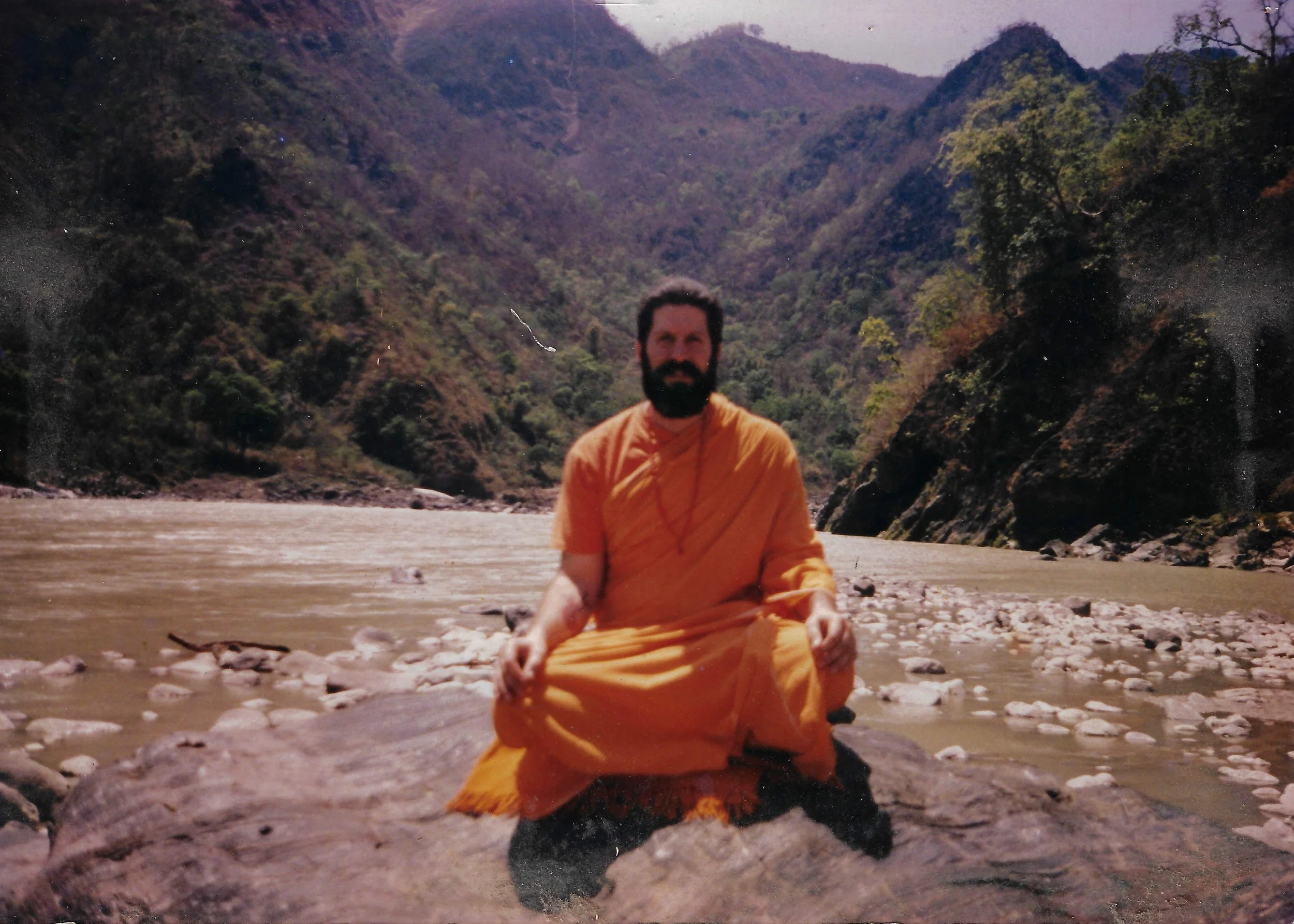
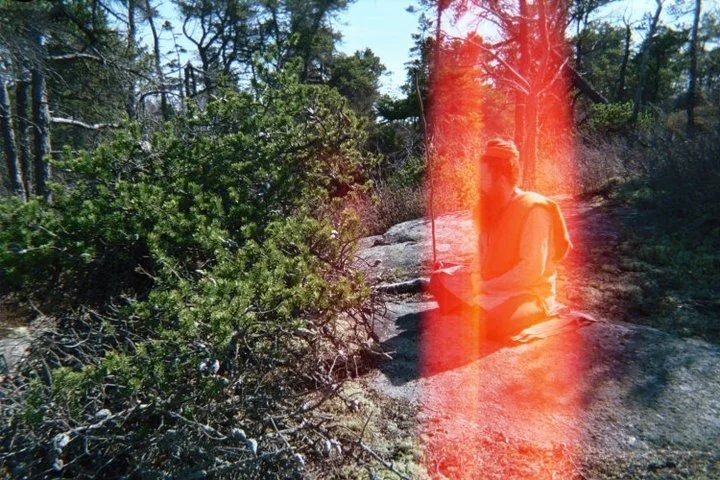
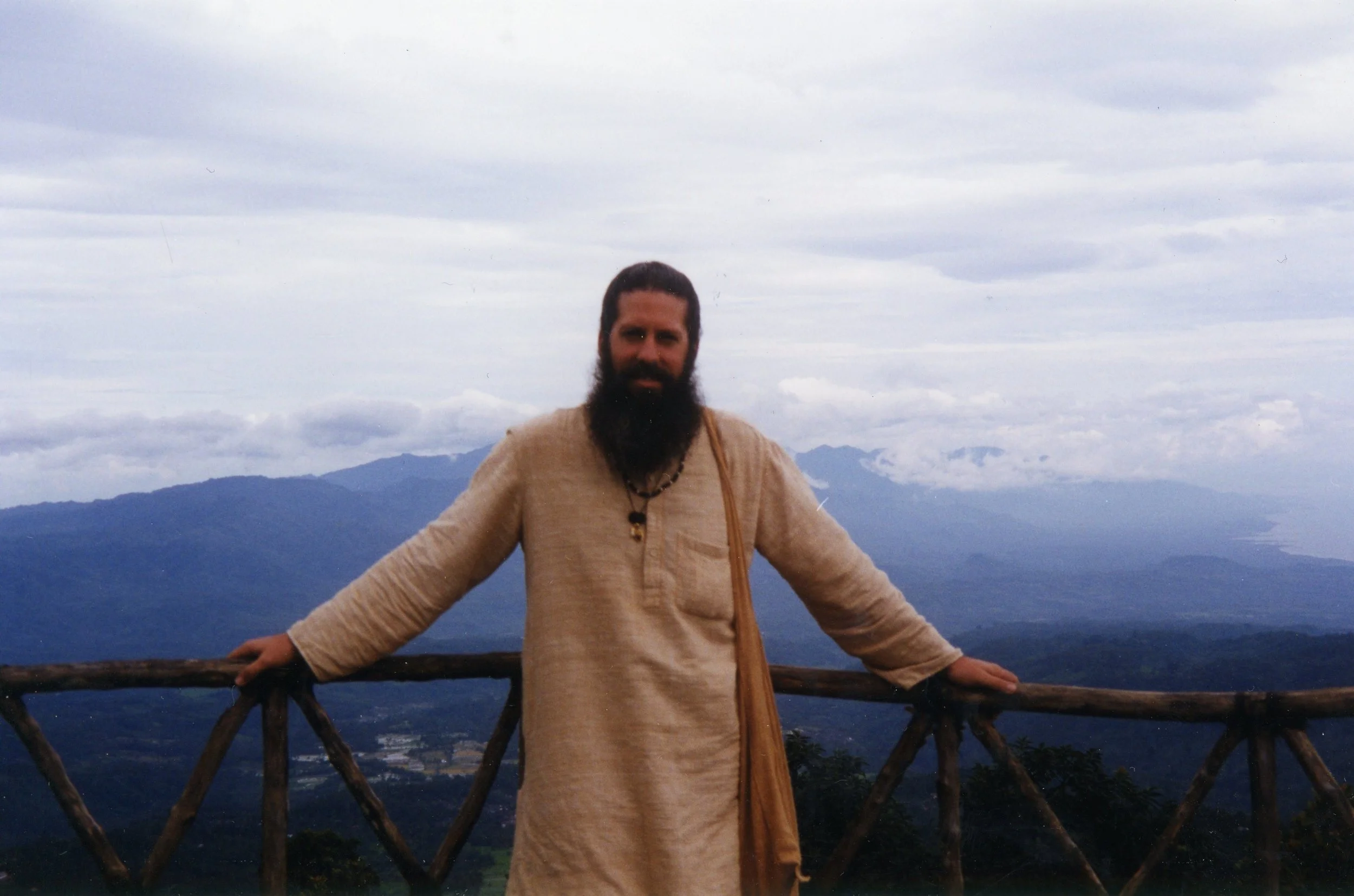
From Baba's years of pilgrimage .
In 1988, Sri Bhagavan founded Sat Manav Yoga Ashram, creating a place where the teachings he had received could be practiced, preserved, and lived in their full scope.
For nearly forty years, he has given his life to the practice and transmission of Yoga—guiding disciples and devotees and shaping Sat Manav as a place where the tradition could be lived in its fullness.
But his work has never been outward alone. Through those same decades, his own sādhana has continued to deepen, drawing his life increasingly toward the concentrated inner work of the Ṛṣi.
Today Bhagavān resides in full retreat; his life is given to sādhana, realization, and the deepest work of the lineage.
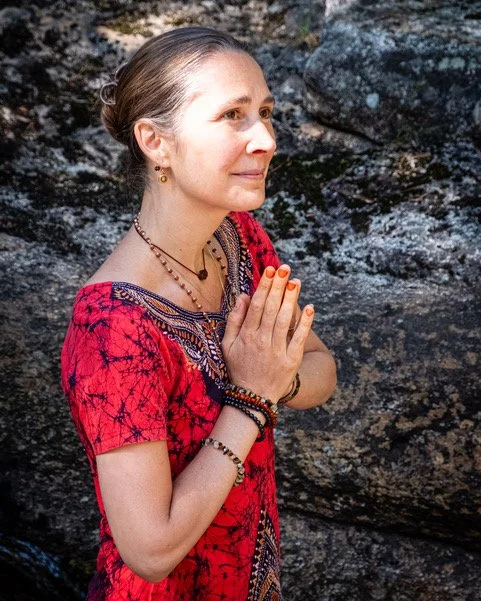
Śrī Mīrābāī Īśvarī
The Living Force of the Ashram
Sri Mirabai was one of Sat Manav's earliest disciples. Through complete dedication to practice, her progress was immediate and exceptional.
But her significance cannot be understood through attainment alone. She has spent decades demonstrating what it means for realization to remain present within the full conditions of life: work, responsibility, relationship, and the continual care of others.
She is the Guru Mother of the Ashram—not as a ceremonial title, but as a description of how she lives. Through her guidance, Yoga is not separated from daily life. It enters everything.
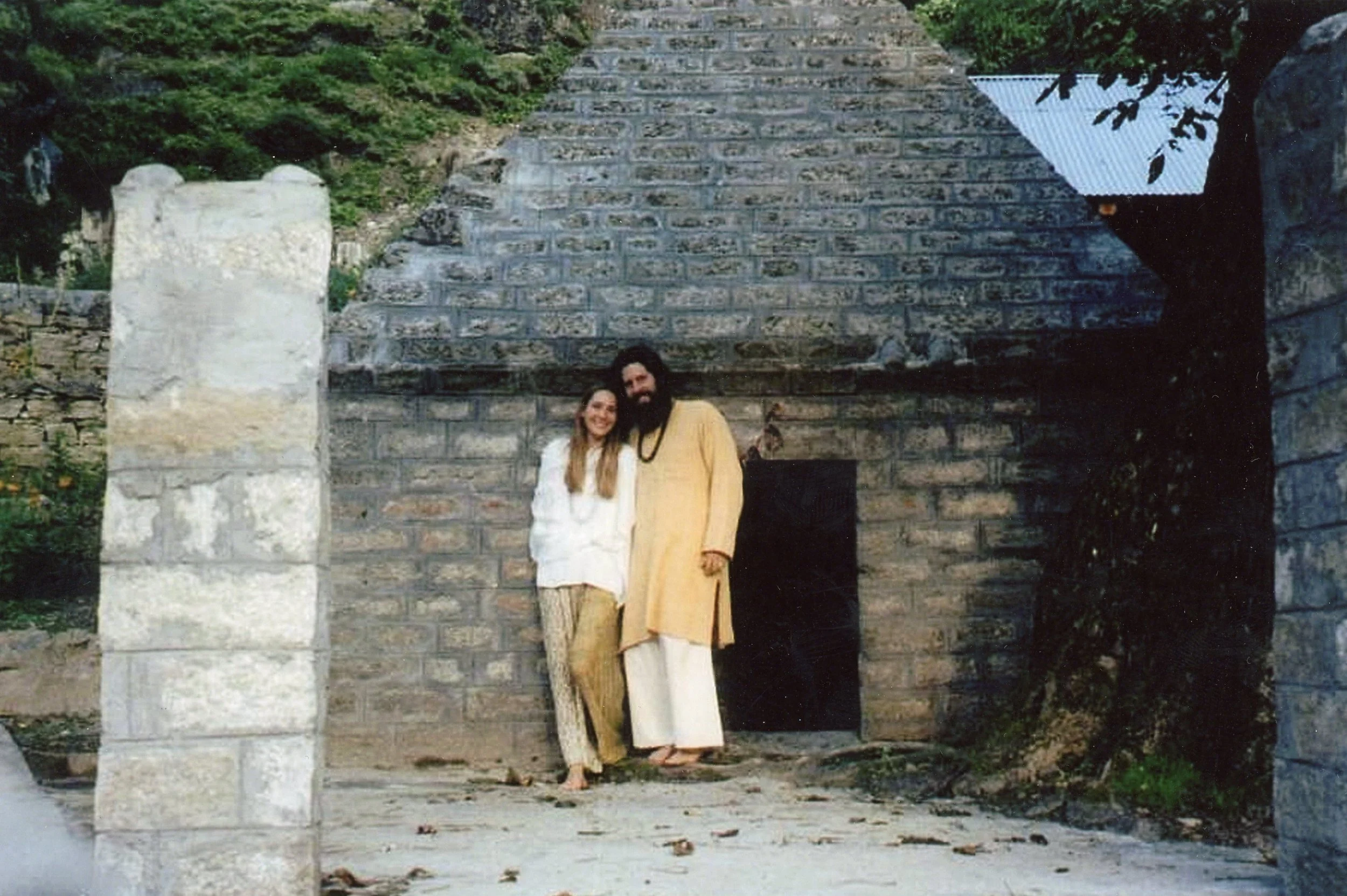
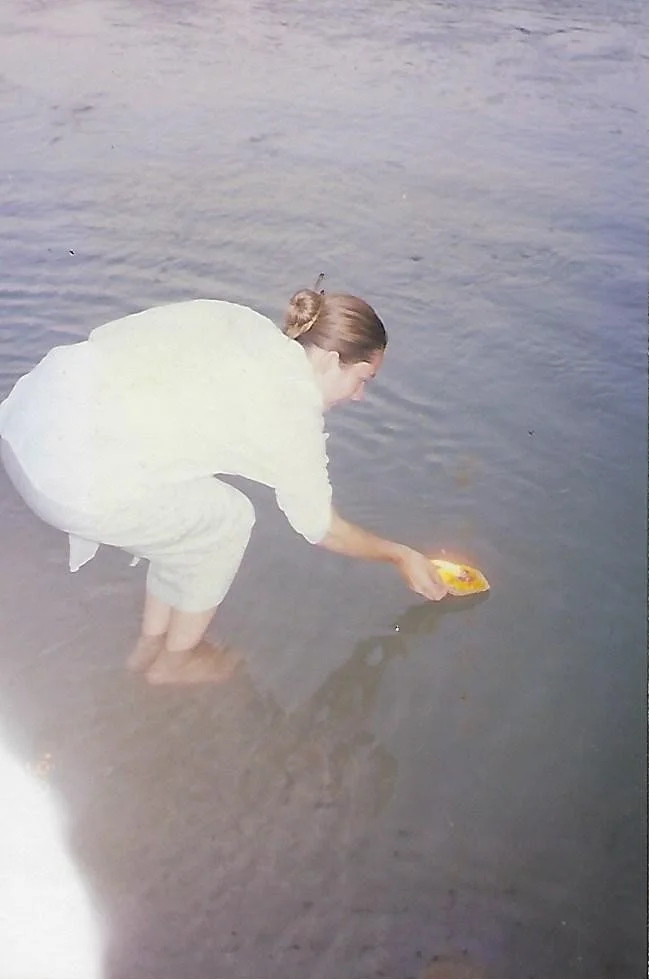
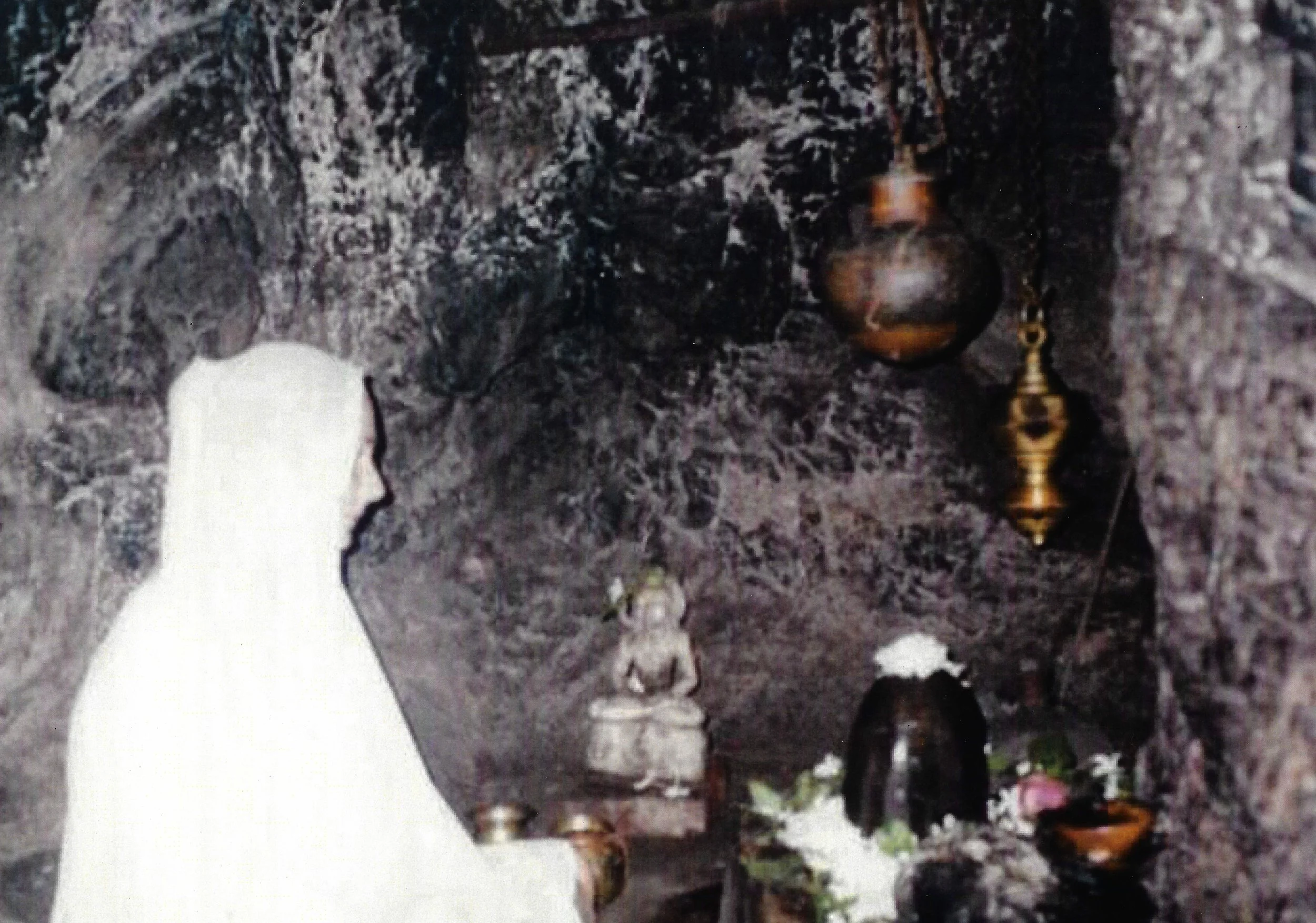
From Amma’s pilgrimage years with Baba.
One establishes the direction of the teaching.
The other ensures that it becomes lived reality.

Baba & Amma
Two Expressions of One Work
Śrī Bhagavān VaShi Baba and Śrī Mīrābāī Īśvarī are known within the Ashram simply as Baba and Amma—traditional terms of honor and endearment meaning “father” and “mother.” The names reflect the relationship they hold with their disciples: not only as teachers of Yoga, but as those entrusted with their guidance, formation, and spiritual life.
From the earliest Yogic traditions, knowledge has often been carried through a pair: Yogi and Yogini, husband and wife, stillness and movement.
Baba and Amma do not occupy interchangeable roles, and neither is secondary to the other. Baba's life is increasingly absorbed in the most concentrated dimensions of practice. Amma holds that same realization within the changing and immediate life of the Ashram.
Together, they preserve both sides of the tradition: what must never change, and what must meet each person, each generation, and each moment as it is.
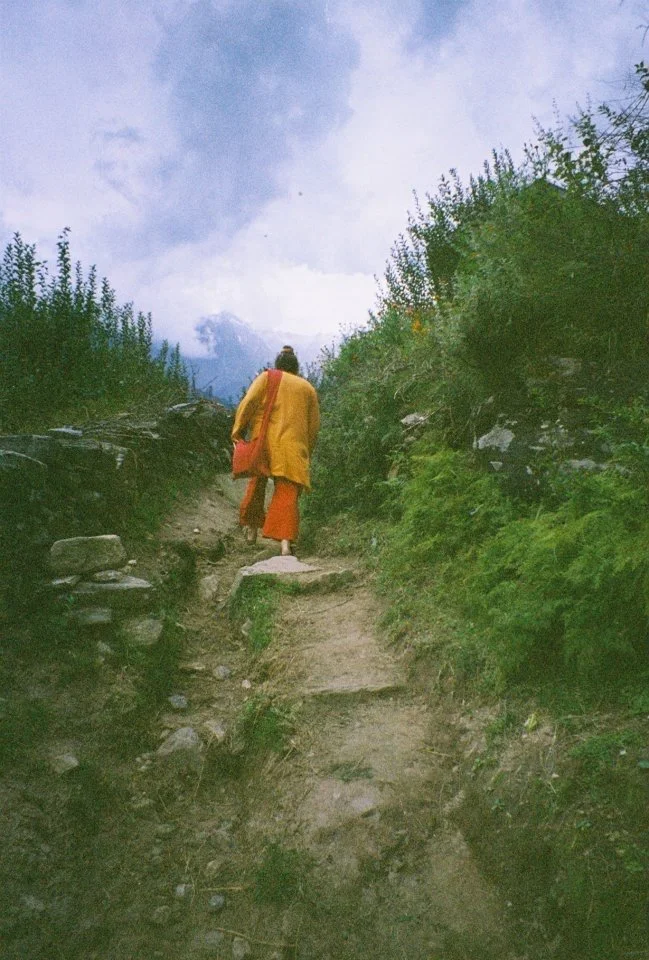
Śrī Bhagavān VaShi Baba walking in the Himalayas.
VaShi Yoga
A Living Yogic Tradition
Baba and Amma are the lineage holders of VaShi Yoga, a Siddha Yoga tradition received through generations of practice, realization, and transmission.
VaShi Yoga approaches the human being as a whole. Its practices are not isolated techniques, but parts of a larger path through which body, mind, prāṇa, conduct, relationship, and consciousness are progressively brought into alignment.
What is practiced at Sat Manav was not assembled to create a modern system of Yoga. It has been received through lineage and is carried forward as a living tradition.
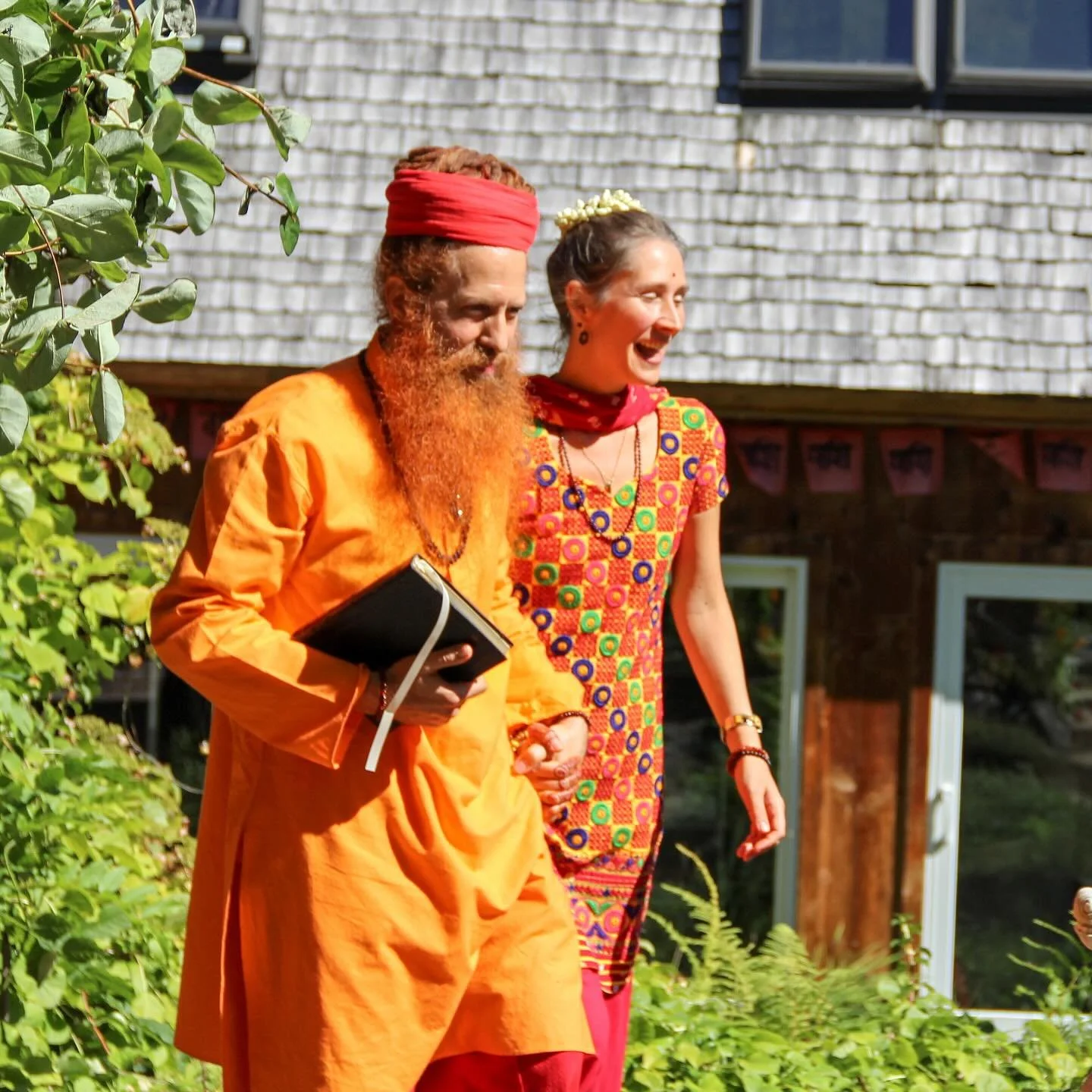
Paramparā
What Is Received Is Carried Forward
The Sanskrit word Paramparā means one following another—an uninterrupted succession or continuous line.
In Yoga, this is lineage: realization passed from teacher to student, practiced and realized again, and carried forward into another human life.
A living Paramparā preserves more than teachings or techniques. It preserves the understanding that gives them meaning: how the practices belong together, the conditions under which they develop, the corrections that keep them from becoming distorted, and the purpose toward which they lead.
This is the relationship through which VaShi Yoga has reached Sat Manav—and through which it continues.
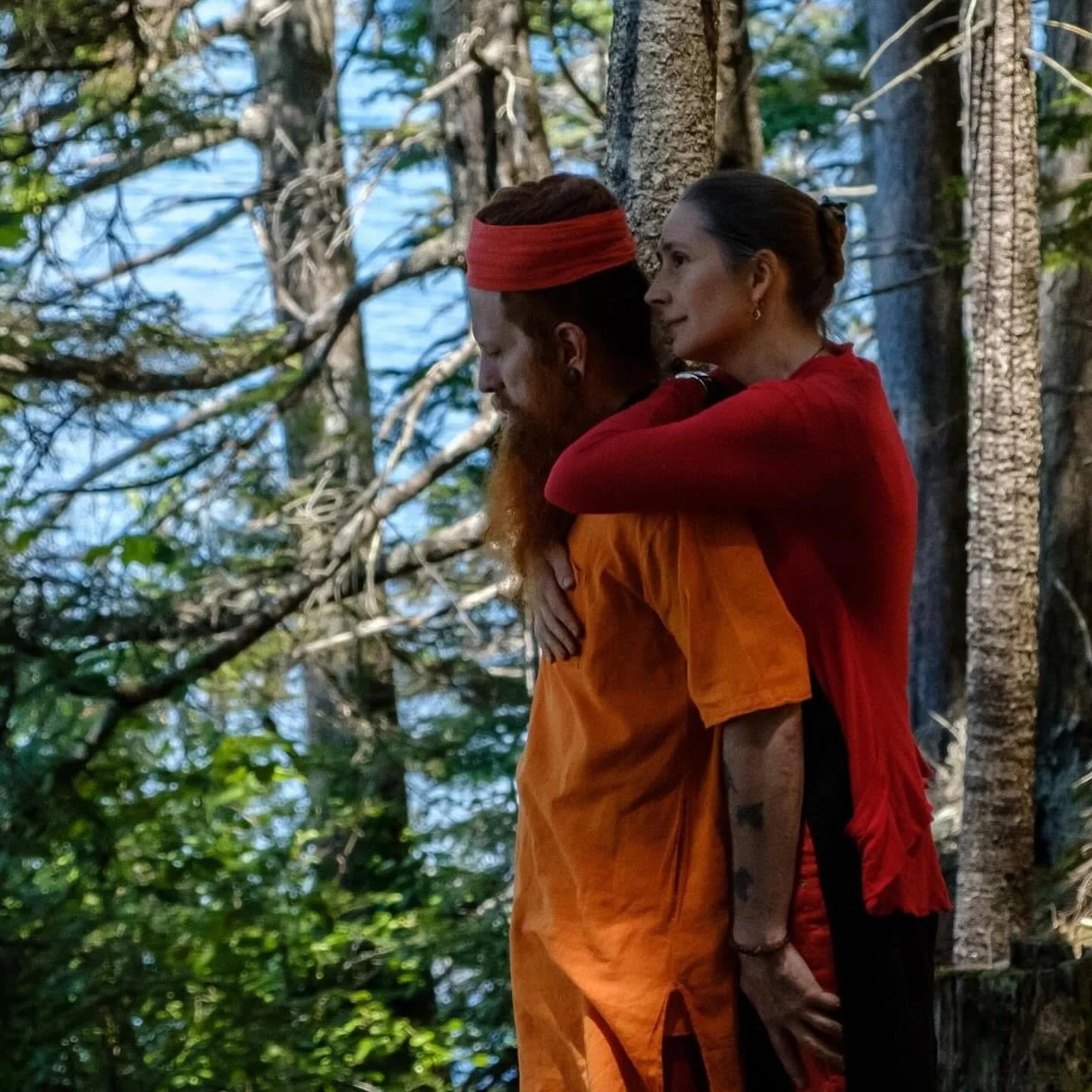
What Lineage Preserves
Language Can Survive.
Meaning Can Be Lost.
A tradition can retain its language and lose its meaning. It can preserve its techniques and forget why they were practiced. It can repeat ancient teachings while gradually adapting them to the habits of the surrounding culture.
Lineage preserves the relationship between practices, the conditions that allow them to work, the corrections that keep them from becoming distorted, and the larger purpose toward which they point.
What is taught at Sat Manav was not assembled to create a program. It comes from a tradition that has been practiced, tested, and carried forward for thousands of years.

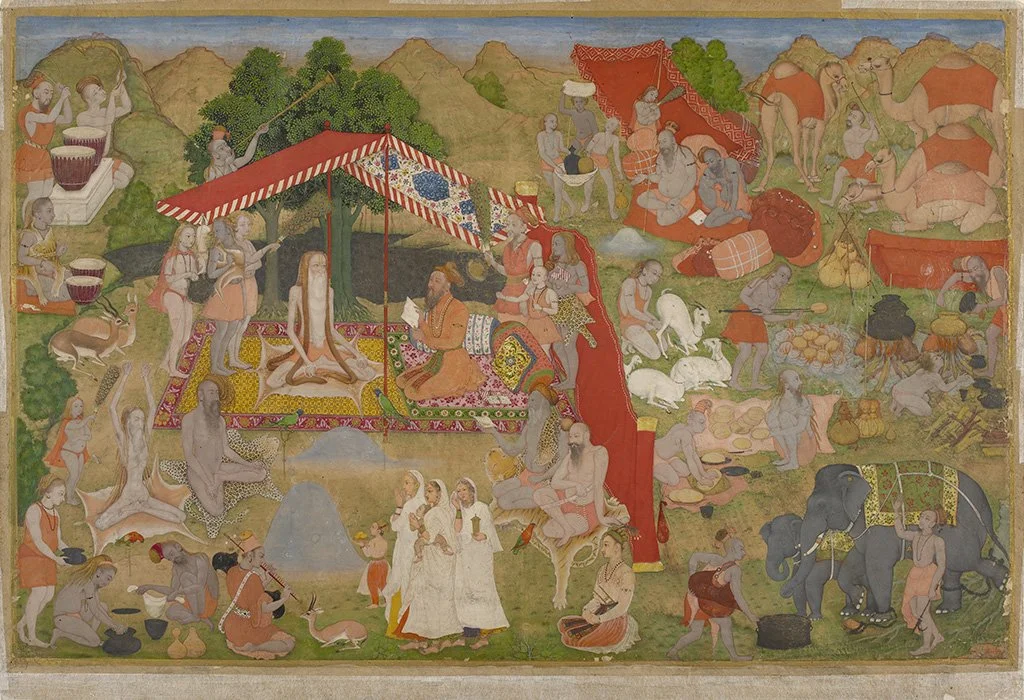
A Living Tradition
Not a Memory of What Yoga Once Was
A living tradition must be more than faithfully remembered. It must continue to be practiced, tested, realized, and embodied in human lives.
The presence of the lineage can be felt throughout Sat Manav: in the quiet, the discipline of the daily rhythm, the seriousness of the practice, and the attention given to food, speech, work, environment, relationship, and service.
Nothing is considered separate from Yoga because the human being who practices Yoga is not divided into separate parts. What happens in meditation must eventually enter conduct. What is understood inwardly must become visible in the way life is lived.
This is why the Ashram exists not simply as a place where Yogic practices are taught, but as a place where the conditions necessary for their full development can still be maintained.
A Living Lineage
The Paramparā Can Be Entered
Lineage is not only something that came before us.
For those who feel called toward a deeper relationship with VaShi Yoga, the Paramparā remains something that can be entered through practice, preparation, and Dīkṣā.